🦌 2027 Père David's Deer Calendars – Elaphurus davidianus
Discover one of the world's most unusual members of the deer family with our collection of Père David's Deer Calendars. These calendars feature beautiful images of this distinctive species, from impressive antlered males to peaceful herds in natural-looking landscapes.
Read More
Also known as Elaphurus davidianus or milu, Père David's deer are native to China and are easily recognized by their long heads, broad hooves, distinctive tails, and branching antlers. Their unusual appearance sets them apart from more familiar deer such as whitetails and mule deer.
Père David's deer also have a remarkable conservation story. After disappearing from the wild, the species survived in captivity and was eventually reintroduced to protected areas in China. Perfect for deer enthusiasts, wildlife lovers, and fans of rare and unusual animals, these calendars celebrate a fascinating member of the deer family.


Did You Know?
- Père David’s Deer was once extinct in the wild and survived only through captive breeding programs.
- The species is named after French missionary and naturalist Armand David, who introduced it to Western science in the 1800s.
- Its unusual features include a long tail, broad hooves, and antlers that make it one of the most distinctive deer species in the world.
🦌 Explore More Deer & Wildlife Calendars
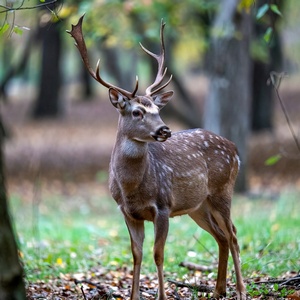


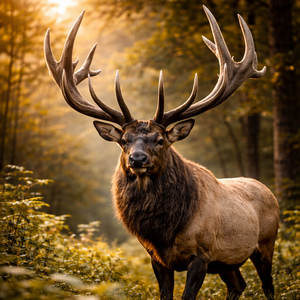
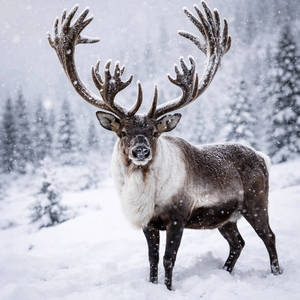
About Père David's Deer
About Père David's Deer
Père David's deer (Elaphurus davidianus) is a distinctive member of the deer family native to China. The species is known for its unusual combination of physical features, including long legs, broad hooves, a relatively long tail, and large branching antlers. In China, the animal is traditionally known as milu.
Père David's deer are well adapted to wet, marshy environments and are capable swimmers. Their broad hooves are suited to soft ground, and they feed primarily on grasses and other vegetation. Adult males grow impressive antlers, while the animals commonly live and move together in social groups.
The species has an extraordinary conservation history. Père David's deer disappeared from the wild in China, but a small population survived in European collections. Conservation breeding eventually increased their numbers, allowing animals to be returned to protected areas in China. Their recovery has made Père David's deer a remarkable example of how captive populations can help preserve a species that might otherwise have disappeared entirely.