🦌 2027 Mule Deer Calendars – Bucks of the American West
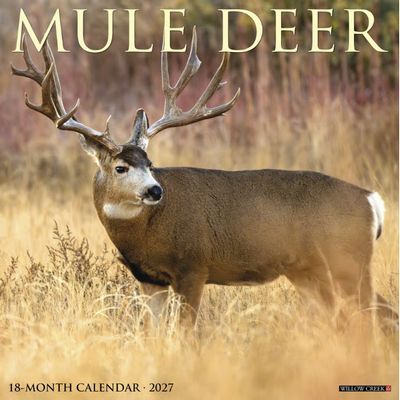
Discover rugged and scenic 2027 mule deer calendars featuring one of North America’s most recognizable deer species. Known for their large ears, alert posture, and strong presence across open landscapes, mule deer calendars highlight the beauty of the wild in mountains, plains, and desert regions.
Read more about mule deer calendars
Mule deer are named for their oversized ears, which resemble those of a mule. They are commonly found in western North America, where they roam grasslands, foothills, and wooded mountain areas. A 2027 mule deer calendar showcases these adaptable animals in a variety of natural settings, making it a great choice for wildlife enthusiasts, hunters, and anyone who appreciates the outdoors.
🦌 Explore 2027 Mule Deer Wall Calendars
Did You Know?
- Mule deer are known for their unique “stotting” movement, where they bound high into the air with all four legs.
- Their large ears can rotate independently, helping them detect sounds from multiple directions.
- Mule deer are highly adaptable and can live in deserts, forests, and mountainous regions.
🦌 Explore More Deer & North American Wildlife Calendars
About Mule Deer
About Mule Deer
Mule deer are native to western North America and are named for their exceptionally large ears, which resemble those of a mule. They inhabit diverse landscapes ranging from mountains and forests to open grasslands, shrublands, deserts, and rugged canyon country.
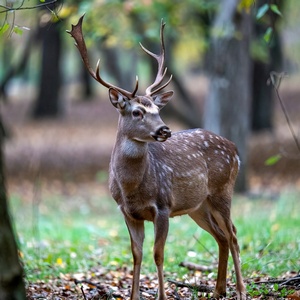
One of the easiest ways to distinguish mule deer from white-tailed deer is by their ears and antlers. Mature mule deer bucks typically develop antlers that fork repeatedly as they grow, while whitetail antlers usually feature individual tines extending from a main beam. Mule deer also have a distinctive bounding gait known as "stotting," in which all four feet can leave the ground at once.
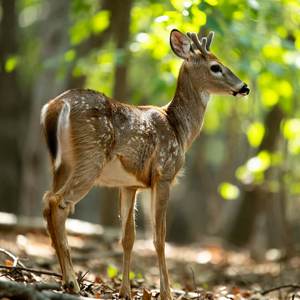
Mule deer feed on a variety of grasses, leaves, shrubs, twigs, and other vegetation, with their diet changing according to habitat and season. Their impressive bucks, large ears, spotted fawns, and association with dramatic western landscapes make mule deer popular subjects for wildlife watchers, photographers, hunters, and outdoor enthusiasts.