2027 Rhinos Calendars | Powerful Giants of the Savanna
Experience the power and presence of one of the world’s most iconic animals with our 2027 Rhinos Calendars. Known for their massive size, thick skin, and distinctive horns, rhinos are among the most fascinating and endangered creatures on Earth.
Read more about rhinos calendars
These calendars feature stunning wildlife photography capturing rhinos roaming open savannas, resting near watering holes, and interacting within their natural habitats. Each month highlights the strength, resilience, and quiet beauty of these incredible animals.
Perfect for wildlife enthusiasts, conservation supporters, and nature lovers, rhino calendars offer a powerful reminder of the importance of protecting these remarkable creatures for future generations.
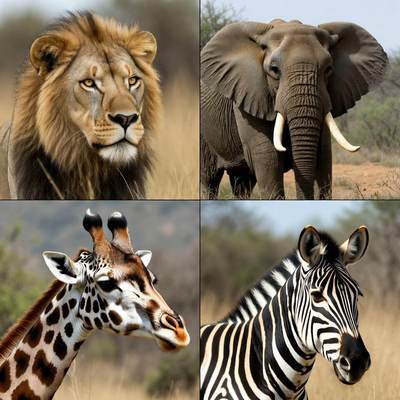
The Big Five: Lion, Leopard, Cape Buffalo, Elephant, Rhino

Did You Know?
- Rhino horns are made of keratin—the same material found in human hair and fingernails.
- Despite their large size, rhinos can run at speeds of up to 30–35 miles per hour.
- There are five species of rhinos, and all are considered threatened or endangered due to habitat loss and poaching.
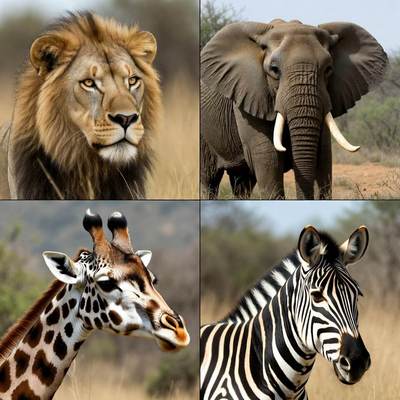
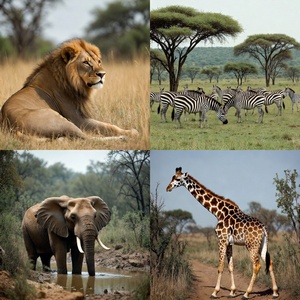
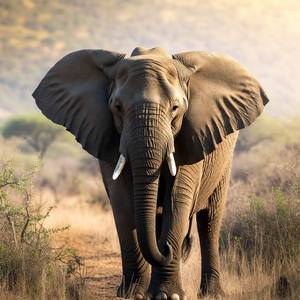
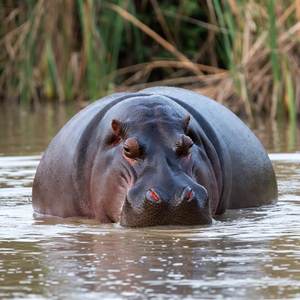
🦏 Explore More Safari Mammals & African Wildlife
About Rhinos
About Rhinos
Rhinoceroses, commonly called rhinos, are large herbivorous mammals recognized for their massive bodies, thick skin, and distinctive horns. Five living species remain: the white rhino, black rhino, greater one-horned rhino, Javan rhino, and Sumatran rhino. White and black rhinos are native to Africa, while the other three species are found in Asia.
Despite their heavy appearance, rhinos can move surprisingly quickly. Their eyesight is relatively limited, but they rely heavily on their excellent senses of smell and hearing. Depending on the species, rhinos inhabit grasslands, savannas, shrublands, and tropical forest environments, where they feed primarily on grasses, leaves, shoots, and other vegetation.
Rhinos are among the world's most recognizable wild mammals, but several species have suffered severe population declines because of poaching and habitat loss. Conservation programs, protected habitats, and anti-poaching efforts continue to play an important role in protecting surviving rhino populations. Their immense size and prehistoric appearance make rhinos unforgettable subjects for wildlife enthusiasts and photographers.