2027 Pandas Calendars – A Year of Gentle Charm and Bamboo Bliss
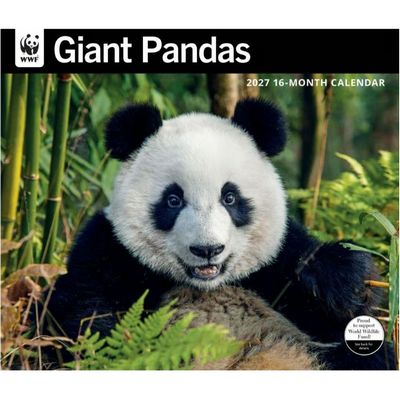
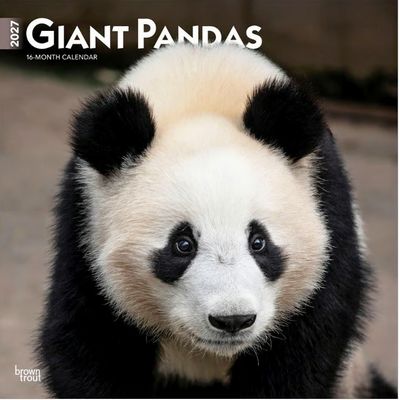
Celebrate one of the world’s most beloved animals with 2027 Panda Calendars. Known for their distinctive black-and-white fur, gentle nature, and playful personalities, giant pandas bring a sense of calm and charm to every month of the year.
Read more about panda calendars
These calendars feature stunning photography of pandas lounging, climbing bamboo, and interacting with their young in peaceful natural settings. Each image highlights their unique appearance and relaxed lifestyle, making them a favorite among wildlife lovers of all ages.
Native to the mountain forests of China, giant pandas are a symbol of conservation and global wildlife protection. Their diet consists almost entirely of bamboo, and their slow-paced behavior reflects a life centered around feeding and resting in tranquil surroundings.



Did You Know?
- Giant pandas spend up to 12–16 hours a day eating bamboo.
- Although they belong to the bear family, pandas have a special wrist bone that acts like a thumb to help grip bamboo.
- Pandas are strong climbers and excellent swimmers despite their cuddly appearance.
- The panda is an international symbol of wildlife conservation.
🐼 Explore More Panda, Bear & Wildlife Calendars

About Giant Pandas
About Giant Pandas
Giant pandas are distinctive black-and-white bears native to the mountainous regions of central China. They live primarily in cool, moist forests where dense stands of bamboo provide both food and shelter. Although giant pandas belong to the bear family, their highly specialized lifestyle and unmistakable appearance make them one of the world's most recognizable wild animals.
Bamboo makes up the vast majority of a giant panda's diet. Because bamboo provides relatively little energy, pandas spend much of their day feeding and may consume large quantities of it. Their powerful jaws, broad molars, and specialized wrist bones help them grasp and crush tough bamboo stems and leaves. Despite their bamboo-centered diet, giant pandas are biologically classified as carnivores and may occasionally eat other foods.
Giant pandas are generally solitary animals and are skilled climbers, particularly when young. Mothers typically raise their cubs alone, and newborn panda cubs are remarkably small compared with their mothers. Conservation programs and habitat protection have helped giant panda populations recover, although habitat fragmentation and other pressures remain concerns. Their remarkable conservation story, gentle appearance, and playful behavior have made giant pandas enduring symbols of wildlife conservation around the world.