🐪 2027 Camels Calendars – Icons of the Desert
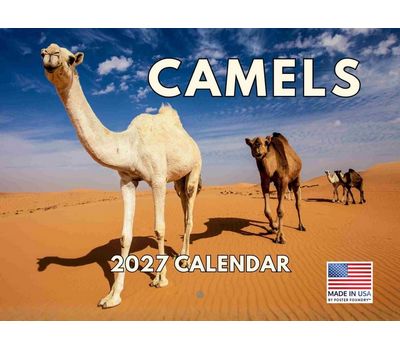
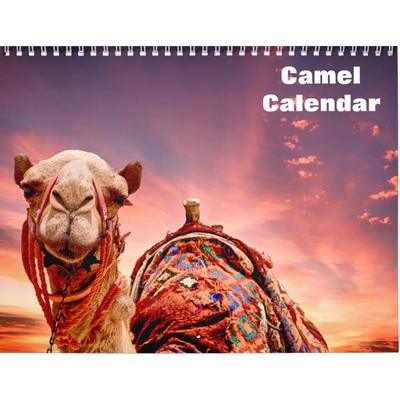
Discover the rugged beauty of desert life with our 2027 Camels Calendars, featuring iconic silhouettes, sweeping dunes, and golden sunset landscapes.
Read more about camel calendars
Known as the “ships of the desert,” camels are perfectly adapted to some of the harshest environments on Earth. With their distinctive humps, long legs, and steady stride, they are symbols of endurance and survival across vast desert regions.
These calendars showcase camels traveling across windswept dunes, resting beneath glowing skies, and moving through traditional desert landscapes. For centuries, camels have played a vital role in cultures across Africa, the Middle East, and Asia, helping people navigate arid terrain where few animals can survive.
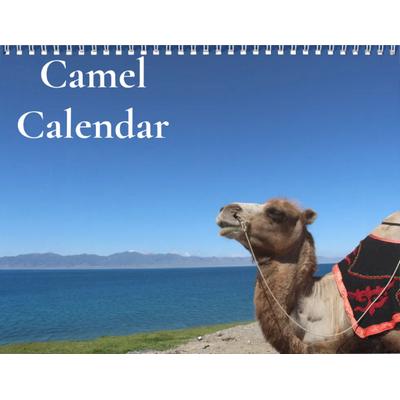
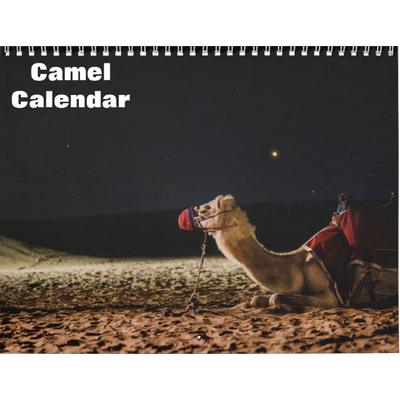
Featured 2027 Camel Calendars

Did You Know?
- Camels are perfectly adapted for desert life — they can go up to two weeks without water and survive extreme temperatures from freezing cold to scorching heat.
- Their humps don’t store water but fat, which can be converted into energy when food is scarce.
- Camels have long eyelashes, sealable nostrils, and wide, padded feet — all designed to protect them from blowing sand and help them walk across hot desert dunes.
🐪 Explore More Desert & Wildlife Calendars



About Camels
About Camels
Camels are remarkable mammals specially adapted to survive in some of the world's harshest environments. There are two main domesticated species: the one-humped dromedary camel, common across North Africa and the Middle East, and the two-humped Bactrian camel, traditionally associated with the colder deserts and steppes of Central Asia.
Camels have numerous adaptations that help them cope with extreme conditions. Their humps store fat rather than water, providing an important energy reserve when food is scarce. Long eyelashes and closable nostrils help protect them from blowing sand, while broad, padded feet allow them to travel across loose desert terrain. Camels can also tolerate substantial changes in hydration that would be dangerous for many other mammals.
For thousands of years, people have relied on camels for transportation, milk, wool, and carrying goods across difficult landscapes. Camel caravans became closely associated with historic trade routes crossing deserts and connecting distant cultures. Today, their distinctive appearance, extraordinary endurance, and long relationship with people continue to make camels enduring symbols of desert life.