🦎 2027 Axolotls Calendars – Adorable & Extraordinary Aquatic Creatures
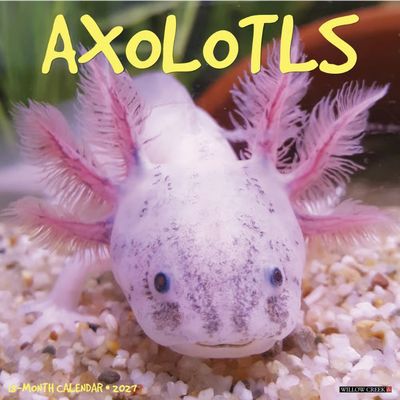
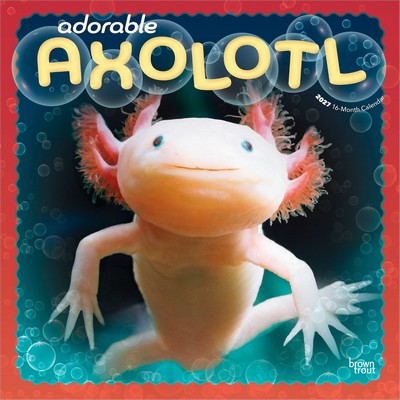
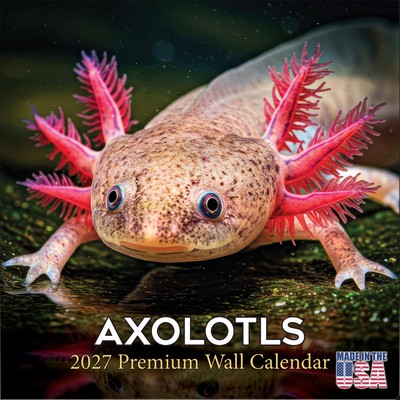
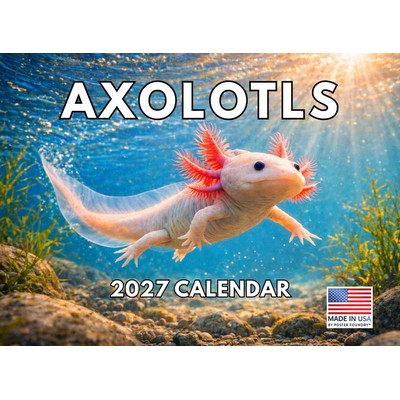
Dive into the fascinating world of one of nature’s most unique amphibians with our 2027 Axolotls Calendars. Known for their feathery gills, gentle expressions, and remarkable ability to regenerate limbs, axolotls bring a mix of science, charm, and curiosity to every month of the year.
Read more about axolotl calendars
Native to the lakes of Mexico, axolotls are often called “walking fish,” though they are actually amphibians that remain in their aquatic larval stage for life. Their distinctive appearance and rare biological traits have made them a favorite among animal lovers, scientists, and aquarium enthusiasts alike.
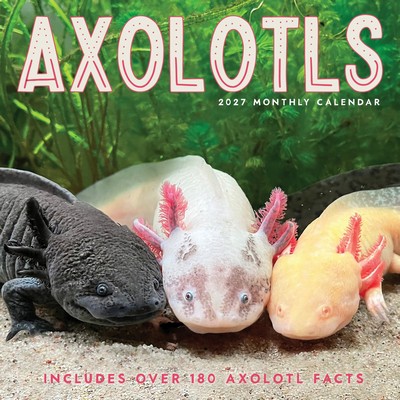
These calendars highlight the soft colors, playful poses, and unusual beauty of axolotls in stunning detail. Whether you’re drawn to their scientific importance or simply their adorable looks, axolotls make a truly one-of-a-kind addition to your wall.
We may earn a commission from purchases made through affiliate links on this site, including Calendars.com and eBay Partner Network.
Axolotls Fun Facts
- Axolotls can regenerate complex body parts, which is one reason they’re studied in medical research.
- Unlike most salamanders, axolotls typically keep their feathery external gills and stay aquatic as adults.
- They come in several color “morphs,” including wild-type, leucistic (pink), golden, and melanoid.
💧 Explore More Amphibian & Wildlife Calendars


About Axolotls
About Axolotls
Axolotls (Ambystoma mexicanum) are aquatic salamanders native to Mexico. Unlike most salamanders, axolotls typically remain aquatic throughout their lives and retain juvenile features into adulthood, including their distinctive feathery external gills. Wild axolotls are associated with the waterways of Xochimilco in Mexico City.
One of the most remarkable characteristics of axolotls is their ability to regenerate damaged or lost body parts. They can regrow limbs and repair certain other tissues without the extensive scarring normally seen in many animals. This extraordinary ability has made axolotls important subjects of scientific research into regeneration and development.
Axolotls are carnivorous and feed on small aquatic animals such as worms, insect larvae, crustaceans, and other suitable prey. While captive axolotls can display several familiar color varieties, wild axolotls are generally darker and mottled, helping them blend into their aquatic surroundings. Their unusual appearance, permanent external gills, and remarkable biology have made axolotls some of the most recognizable amphibians in the world.