🦥 2027 Anteaters Calendars, Planners – Fascinating Insect-Eaters of the Wild
Discover one of nature's most fascinating insect-eating mammals with our collection of Anteater Calendars. Featuring stunning wildlife photography, these calendars showcase giant anteaters, tamanduas, and silky anteaters in the grasslands, forests, and tropical habitats of Central and South America. Their distinctive long snouts, bushy tails, and unique feeding behavior make them some of the animal kingdom's most remarkable mammals.
Read More
Anteaters are specially adapted to feed almost exclusively on ants and termites, using powerful claws to break open nests and extraordinarily long, sticky tongues that can flick in and out more than 100 times per minute. Despite their unusual appearance, they play an important role in maintaining healthy ecosystems by naturally controlling insect populations.
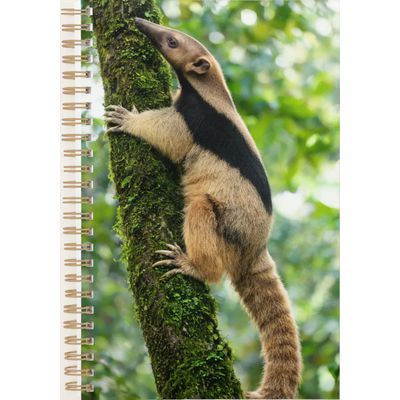
Our Anteater calendars capture these extraordinary mammals in breathtaking full-color photography, from giant anteaters roaming open grasslands to tree-climbing tamanduas exploring tropical forests. Whether you're a wildlife enthusiast, nature lover, or admirer of unique animals, these calendars bring the beauty and diversity of one of the world's most distinctive mammals to your home or office throughout the year.
Did You Know?
- An anteater’s tongue can reach up to 2 feet long and flick in and out over 150 times per minute when feeding.
- Anteaters have no teeth. Instead, they swallow insects whole and grind them in their stomachs.
- A single giant anteater can eat more than 30,000 ants and termites in a single day.
- The giant anteater’s bushy tail is so large it can wrap it around its body like a blanket while sleeping.
About Anteaters
About Anteaters
Anteaters are remarkable insect-eating mammals native to Central and South America. There are four living species: the giant anteater, the northern tamandua, the southern tamandua, and the silky anteater. Although they vary greatly in size and habitat, all share distinctive features including elongated snouts, powerful digging claws, and extraordinarily long, sticky tongues specially adapted for feeding on ants and termites.
Each species occupies a different ecological niche. Giant anteaters roam open grasslands, savannas, and wetlands, while tamanduas and silky anteaters spend much of their lives climbing through tropical forests using their strong limbs and prehensile tails. Rather than destroying entire insect colonies, anteaters typically feed briefly before moving on, allowing ant and termite populations to recover and helping maintain a healthy ecological balance.
Despite their unusual appearance, anteaters are generally shy, solitary animals that rely on an exceptional sense of smell to locate food hidden beneath soil, logs, and tree bark. Their specialized adaptations and important role in controlling insect populations make them one of the world's most fascinating mammals. An Anteater calendar is a wonderful way to celebrate these unique animals while enjoying stunning wildlife photography from the forests and grasslands of the Americas throughout the year.